Home › Concrete Demolition and Removal
Reliable, professional concrete removal in Madison, WI from Superior Concrete Madison. Contact us today for a free on-site estimate.
Superior Concrete Madison provides professional concrete removal throughout Madison, WI, Wisconsin and the surrounding area. Our licensed, insured crew delivers safe, clean, on-time work with a free estimate before anything begins. Call (608) 447-6820 or request your free quote.
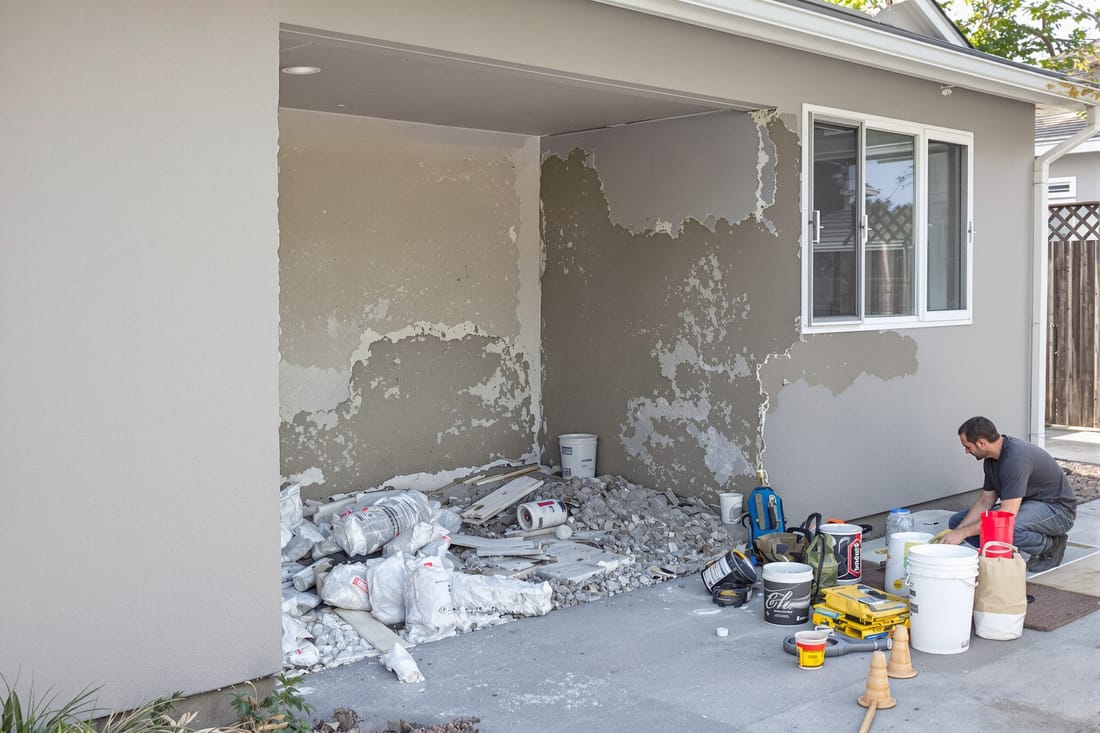
Concrete removal in Madison that actually fits your property
Concrete removal sounds simple until you are staring at a cracked driveway in Nakoma or a heaved patio behind a Vilas bungalow and wondering what is under it, how close it is to your foundation, and where all that broken concrete will go. Superior Concrete Madison focuses on concrete demolition and removal that is tailored to the way Madison homes and commercial sites are actually built.
Most residential concrete we remove is 40 to 70 years old, often 3.5 to 5 inches thick over compacted fill that has settled with our freeze–thaw cycles. In older east side neighborhoods concrete can be tied into fieldstone or brick foundations, or poured tight against clay sewer laterals. On the west side near newer subdivisions we often see thicker driveway aprons with rebar and mesh, plus buried sleeves for irrigation or landscape lighting. Before we touch a slab we look for all of this so demolition does not create new problems.
When you call Superior Concrete Madison for concrete removal we start with a walk through of the area, looking at access for equipment, overhead wires, tree roots, and how close we are to your house, garage, or retaining walls. We explain where we will stage equipment, how we will protect lawn and landscaping, and what the site will look like when we are done. The goal is to remove what is failing and leave you with a clean, safe base for whatever comes next.
How we actually demolish and remove concrete
Every concrete demolition job follows a similar backbone, but the methods change depending on thickness, reinforcement, and access.
1) Site prep and utility checks: We start by confirming utilities. For anything that might involve digging, we coordinate with Diggers Hotline and review your property plans or visible utility entries. We mark areas where gas, electric, water, or fiber likely run so breaking tools and buckets never cross those paths. Then we protect adjacent surfaces with plywood, landscape fabric, or rubber mats, especially on softer Madison soils in spring.
2) Cutting and separation: If a section of your slab stays, we cut clean lines with a walk behind or handheld concrete saw to create a straight, stable edge. This is common when only part of a driveway or garage floor is failing. For patios tied into steps or stoops, we cut a small buffer joint so impacts do not travel into the structure.
3) Breaking the slab: For open driveways or parking pads we typically use a skid steer with a hydraulic breaker to fracture the slab into manageable chunks. In tight backyards off Monroe Street or around narrow side yards, we switch to compact breakers, electric jackhammers, or handheld chipping hammers to control vibration and noise. If we uncover heavy rebar or wire mesh we cut it with saws or torches instead of trying to rip it out, which reduces stress on nearby masonry.
4) Loading and hauling: Once broken, concrete pieces are loaded into dump trucks or trailers. We sort out uncontaminated concrete so it can be brought to local recycling facilities instead of landfills. This matters in Dane County where disposal fees and regulations reward clean loads of concrete. Rebar, mesh, and metal anchors are pulled and recycled separately.
5) Final cleanup: After the concrete is gone we scrape and rake the base material, removing loose debris, nails, plastic, and large rocks. If the area is being repoured soon we can leave a graded base ready for new stone. If it will sit for a while, we can rough grade so water drains away from your house and add temporary gravel to keep mud and tracking down.
What drives the cost of concrete removal in Madison
Concrete removal pricing is not just “dollars per square foot.” A few specific local factors can push cost up or down, and understanding them helps you compare bids fairly.
Slab thickness and reinforcement: A typical Madison driveway is 4 inches thick, but we often find 6 inch approaches near the street, garage aprons thickened for vehicle loads, or commercial pads of 8 inches with heavy rebar. Thicker and more reinforced concrete takes more time, more fuel, and more wear on tools. A lightly reinforced patio will cost less per square foot to remove than a rebar grid with fiber mesh.
Access and hauling distance: If we can back a truck right to your driveway, costs stay lower. If your concrete is in a fenced backyard off Atwood Avenue with no alley access, we may have to wheelbarrow or use smaller machines and make more trips. Haul distance to a recycling facility and local dump fees in Dane County also affect cost, especially for mixed loads that cannot be recycled.
Site constraints: Nearby glass block windows, aging brick, or shallow foundations require more hand work and smaller controlled breaks. This is common in older neighborhoods like Tenney Lapham where structures sit close together. Tree roots, retaining walls, and steep driveways can also slow production.
Add ons and prep for the next phase: If you plan to replace concrete, you may want us to remove poor base material, install new gravel, or improve drainage grades. Doing that at the removal stage adds cost but usually saves money compared to bringing a crew back later. Superior Concrete Madison is clear in writing about what is included: basic demolition and hauling only, or demolition plus base prep for new work.
Common issues we see and how we handle them
The point of concrete demolition is to solve a problem, not create a new one. Over years of working around Madison we have seen a consistent list of surprises and we plan for them instead of reacting on the fly.
Unknown utilities or drains: Older homes near downtown and the near east side often have undocumented clay tiles, abandoned fuel lines, or improvised drains under slabs. When we break out the first panel we watch the soil and listen for hollows or voids. If we hit an unexpected pipe, we stop, expose it carefully, and help you decide whether to cap, replace, or reroute before proceeding.
Poor or unstable subgrade: Many heaved or sunken slabs we demo sit on uncompacted fill or organic soils. Once the concrete is gone we may find voids or soft spots. In those cases we recommend either over excavating and bringing in compacted gravel or, if you are not repouring immediately, at least rough grading and compacting so you do not have a muddy or unsafe depression.
Tight neighborhoods and shared spaces: On narrow Isthmus lots or multifamily parking areas, there is often no extra room. We coordinate with neighbors, staging work so that at least partial access and parking is maintained where possible. We schedule louder breaking work for reasonable daytime hours and communicate clearly about how long specific areas will be blocked.
Dust, debris, and safety: Concrete demolition creates dust and flying chips. We use wet cutting and wet breaking when feasible to reduce airborne dust, and we set up barriers or shields next to windows, vehicles, and doors. Our crews wear proper PPE and we keep the work zone clearly marked so curious kids, pets, or passersby stay safe during the work.
How to prepare for your concrete removal project
A little planning on your side makes the removal smoother, faster, and often cheaper.
Clear access and personal items: Before we arrive, move vehicles, grills, planters, kids’ toys, and anything fragile off or near the concrete. If we are working in a shared driveway or parking lot, let neighbors know so no one is blocked in. The more open the area, the more efficiently we can work and the fewer trips we make across your lawn.
Decide what comes next: Even if Superior Concrete Madison is not doing the replacement, we encourage you to think ahead. Will you pour new concrete, switch to pavers, or leave it landscaped for a season? For example, if you are planning a new garage slab on the north side, we can over excavate and rough grade with the correct slopes so your builder starts on a solid base. If you want a future patio with drainage toward a rain garden, we can adjust grades during removal.
Talk through drainage and problem spots: Before demolition starts, walk the area with us and point out where water currently pools, where ice forms in winter, or where you notice settling. We can often see why once the slab is up and suggest cost effective fixes while the site is open, such as subtly changing slope, adding a simple swale, or improving base material.
Understand the schedule: A typical single driveway removal in Madison takes 1 day, sometimes less, plus an additional trip if there is extensive base work. Larger commercial pads and parking lots may take several days. We let you know up front when we will arrive, what equipment will be on site, and when hauling will be complete, so you can plan parking and access around the work.
If you are ready to remove failing concrete and start fresh, Superior Concrete Madison can walk you through options, give you a clear itemized quote, and schedule work around your timeline and neighborhood needs.